
The aviation trade has witnessed a major transformation in recent times, with private plane companies emerging as a prominent section catering to the wants of affluent travelers. This case study delves into the evolution, operational dynamics, and market traits of private plane companies, highlighting their impact on the travel industry and the components contributing to their growing recognition.
Historic Context
The idea of private aviation dates back to the early twentieth century, nevertheless it was not until the put up-World Warfare II era that private planes became more accessible to the rich elite. Initially, possession of private jets was limited to a choose few, primarily business magnates and celebrities. Nonetheless, the 1980s noticed a shift with the introduction of fractional possession and jet card programs, permitting extra people to experience the benefits of private air travel with out the burdens of full possession.
Market Overview
Immediately, the private aviation market is thriving, with a projected worth of over $36 billion by 2025. The market is primarily driven by elements equivalent to rising disposable incomes, the demand for personalised journey experiences, and the growing need for flexibility and efficiency in business travel. Private plane companies have diversified their offerings to incorporate on-demand charter services, fractional possession, and membership applications, catering to a variety of shoppers.
Key Players in the Business
Several companies dominate the private aviation panorama, every with distinctive business models and service offerings. Notable players include:
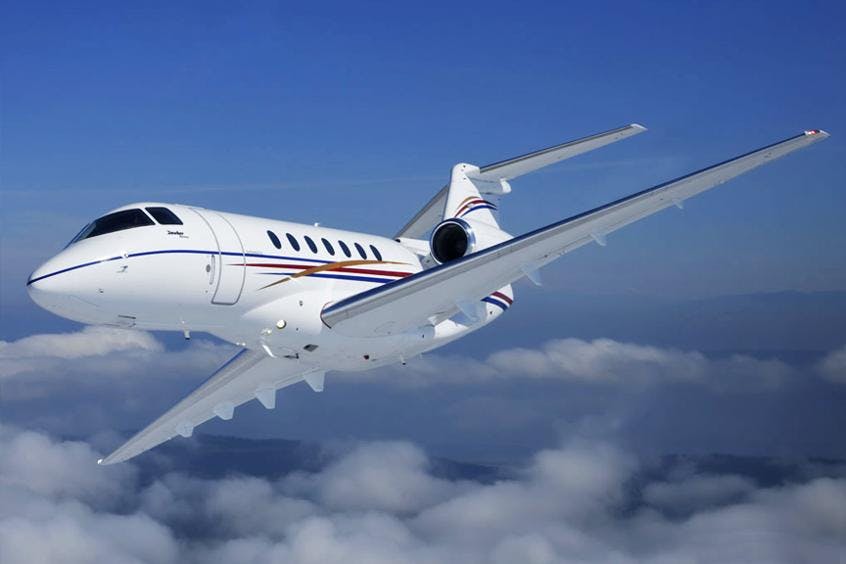
- NetJets: A pioneer in fractional possession, NetJets allows shoppers to purchase shares in a jet, providing entry to a fleet of aircraft without the full monetary burden of ownership. If you loved this informative article and you would love to receive details about privatejetscharter assure visit our web-page. Their in depth network and commitment to customer service have solidified their place as a leader in the business.
- VistaJet: Known for its luxurious providers, VistaJet offers a unique subscription model that permits clients to pay for flight hours relatively than possession. The company boasts a fleet of bespoke aircraft, catering to high-net-value individuals seeking a premium journey experience.
- Wheels Up: This membership-based company has gained popularity by providing a extra reasonably priced entry level into private aviation. Wheels Up supplies access to a fleet of aircraft through varied membership tiers, making private flying accessible to a broader audience.
- XO: This modern firm combines conventional charter providers with a technology-driven platform, permitting users to e book flights by way of an app. XO focuses on transparency and convenience, interesting to tech-savvy travelers.
Operational Dynamics
Private plane companies operate below a different set of dynamics in comparison with business airways. The main target is on customer experience, flexibility, and effectivity. Key operational facets embody:
- Fleet Management: Private aviation companies maintain a diverse fleet of aircraft, starting from mild jets to large-cabin jets. This variety allows them to cater to numerous travel needs, whether for enterprise conferences or leisure trips.
- Safety Standards: Safety is paramount in private aviation. Firms adhere to stringent safety rules and often exceed business requirements. Many private jet operators have their very own safety administration methods and conduct common audits to make sure compliance.
- Customer service: The level of service in private aviation is unparalleled. From personalised flight itineraries to gourmet catering, private plane companies prioritize buyer satisfaction. Devoted flight crews and concierge providers enhance the overall journey expertise.
Market Tendencies
Several traits are shaping the private aviation industry:

- Sustainability: As environmental concerns grow, private plane companies are exploring sustainable aviation fuels (SAFs) and carbon offset applications. Many firms are investing in greener technologies to scale back their carbon footprint and enchantment to environmentally conscious travelers.
- Digital Transformation: Expertise plays an important role within the evolution of private aviation. Companies are leveraging mobile apps and online platforms to streamline booking processes, improve customer engagement, and enhance operational effectivity.
- Put up-Pandemic Recovery: The COVID-19 pandemic considerably impacted the aviation trade, but private aviation noticed a surge in demand as travelers sought safer options to commercial flights. The development of remote work and the rise of the “work from anyplace” culture have additionally contributed to increased private jet usage.
- Rising Markets: As wealth will increase in regions equivalent to Asia and the Middle East, private aviation companies are expanding their companies to cater to those emerging markets. New gamers are entering the business, further intensifying competitors and driving innovation.
Challenges and Issues
Regardless of the expansion and opportunities within the private aviation sector, several challenges persist:
- Regulatory Hurdles: Private aviation is topic to strict regulations, and navigating the regulatory landscape can be complicated. Firms should stay compliant with aviation authorities while adapting to altering regulations.
- Market Competitors: The entry of new gamers and the diversification of services have intensified competitors. Established corporations must repeatedly innovate and enhance their choices to maintain their market share.
- Economic Sensitivity: The private aviation market is sensitive to economic fluctuations. Financial downturns can lead to reduced demand for luxurious companies, prompting companies to adapt their strategies accordingly.
Conclusion
The private plane trade has advanced right into a dynamic and aggressive market, driven by the demand for luxury, convenience, and customized travel experiences. Key gamers have tailored their enterprise fashions to cater to a diverse clientele, whereas rising tendencies similar to sustainability and digital transformation form the way forward for private aviation. As the trade continues to grow, private plane companies must navigate challenges whereas capitalizing on alternatives to solidify their positions out there. The way forward for private aviation appears promising, with a possible for innovation and enlargement that will redefine the travel expertise for discerning travelers.